Hydrogel Face Masks Are About to Blow Up—Here’s What You Need to Know

Hydrogel Face Masks Are About to Blow Up—Here’s What You Need to Know

Remember when K-Beauty went mainstream? Seemingly overnight, everyone was obsessed with essences, snail mucin serums, and sheet masks. This was also the time when “go big or go home” applied to many of our elaborate skincare routines. Suddenly, everyone had a ritual full of aesthetic packaging and Instagrammable steps. Among them, sheet masks were the undisputed star of the skincare-as-self-care movement. There was nothing more luxurious than running a hot bath and artfully arranging a sheet mask over your face. Bliss.

But not all sheet masks are created equal. Most fit awkwardly and they drip and drench anything in sight. More stressful than self-care, honestly. Enter: hydrogel masks. Hydrogel sheet masks are the more comfortable, more effective answer to paper sheet masks. And truly, I (and beauty experts everywhere) can’t get enough. Today, we’re making an argument for swapping in hydrogel masks as the perfect finishing touch to the ultimate self-care routine.

Top 10 Perfect Skin Care Routine Steps for All Skin Types

Top 10 Perfect Skin Care Routine Steps for All Skin Types

Having a perfect skin care routine is essential to maintain healthy and glowing skin. Regardless of your skin type, following the right steps can help you achieve the desired results. In this article, we will explore the top 10 perfect skin care routine steps that are suitable for all skin types. Whether you have dry, oily, combination, or sensitive skin, these skincare step will cater to all skin types and help you achieve the glowing skin you desire.

1. Determine Your Skin Type

Before you start your skin care step, it’s crucial to identify your skin type. There are four main skin types: oily, dry, combination, and normal. Understanding your skin type will help you select the right products and treatments that cater to your specific needs.

2. Cleansing – The First Step

Cleansing is a fundamental and indispensable skincare step in any skincare regimen. It effectively removes dirt, impurities, makeup, and excess oil from the skin’s surface, preventing clogged pores and breakouts. Proper cleansing also helps maintain the skin’s natural balance, promoting a clear and radiant complexion. By preparing the skin for subsequent products, like serums and moisturizers, cleansing ensures maximum absorption and overall effectiveness of the skincare routine.

3. Exfoliation – The Key to Radiant Skin

Exfoliation is necessary to remove dead skin cells and promote skin renewal. However, avoid over-exfoliating, as it can lead to irritation and sensitivity. Use a mild exfoliator once or twice a week and it is one of the basic night skin care step.

4. Toning – Restore Skin’s pH Balance

Toning is another basic skincare step in your daily routine. It helps balance the skin’s pH levels, removing traces of impurities and residual cleanser. Toning also tightens pores, reducing their appearance, and prepares the skin for better absorption of serums and moisturizers. Additionally, toners can provide hydration and deliver essential nutrients, promoting a healthier and more radiant complexion.

5. Applying Serum – Target Specific Concerns

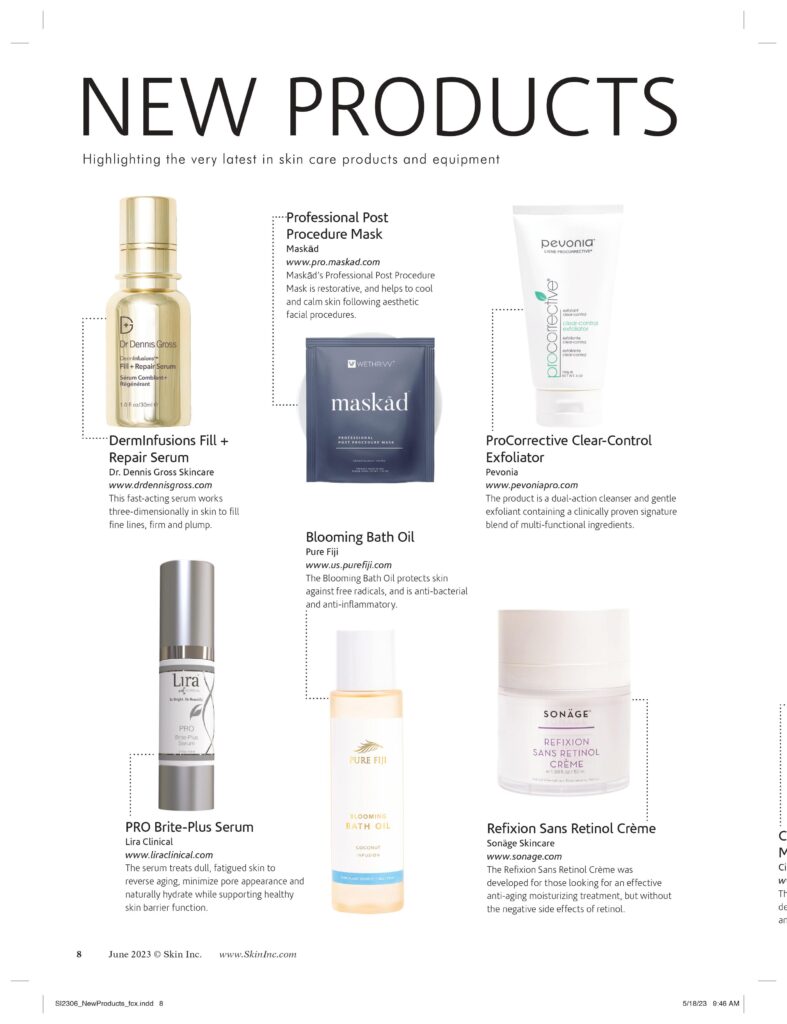
Serums are packed with powerful ingredients that target specific skin concerns, such as hydration, brightening, or anti-aging. Select a serum that addresses your primary skin needs. You can also buy best hydrating serum from Maskad to improve your skin.

6. Nourishing with Moisturizer

Moisturizer is an essential skincare step due to its numerous benefits. It helps maintain the skin’s hydration levels, preventing dryness and flakiness. Proper moisturization promotes a smooth and supple complexion while creating a protective barrier against external aggressors like pollution and UV rays. Additionally, moisturizers can address specific concerns, such as anti-aging or acne-prone skin, ensuring overall skin health and a youthful glow.

7. Sun Protection – Your Skin’s Best Friend

Protecting your skin from harmful UV rays is essential. Always apply a broad-spectrum sunscreen with at least SPF 30, even on cloudy days.

8. Eye Cream – Banish Those Dark Circles

Using an eye cream alongside a moisturizer is crucial for comprehensive skincare. The delicate skin around the eyes is prone to wrinkles, puffiness, and dark circles. Eye creams are specially formulated to target these issues, reducing signs of aging and fatigue. They provide intense hydration, firmness, and nourishment, addressing specific concerns that regular moisturizers may not fully cater to, ensuring a vibrant and youthful eye area.

9. Hydrating Face Masks – Treat Your Skin

Hydrating face masks are an indispensable component of a well-rounded skincare routine. These masks deeply replenish the skin’s moisture levels, combating dryness and dullness. They are enriched with nourishing ingredients that soothe and revitalize the complexion, leaving it radiant and refreshed. Regular use of hydrating face masks promotes a plump, supple, and healthy-looking skin, making it a vital night skin care step.

10. Embrace a Healthy Lifestyle

The perfect skin care routine is not just about products; it’s also about leading a healthy lifestyle. Get enough sleep, stay hydrated, eat a balanced diet, and manage stress to support your skin’s health from within.

Conclusion

Achieving the perfect skin care routine for all skin types requires consistency, dedication, and the right products. By following the ten steps outlined in this article, you can work towards healthier, glowing skin that radiates beauty. Remember that individual results may vary, so be patient and stay committed to your skin care journey.

FAQs

1. How often should I exfoliate my skin?

Exfoliation should be done once or twice a week, depending on your skin’s sensitivity. Avoid over-exfoliating to prevent irritation.

2. Can oily skin skip moisturizing?

No, even oily skin needs moisturization. Look for lightweight, non-comedogenic moisturizers to avoid clogging pores.

3. Are face masks suitable for all skin types?

Yes, there are face masks available for all skin types. Choose masks with ingredients that match your skin’s needs.

4. Can I use the same eye cream for day and night?

While you can use the same eye cream, some products are formulated specifically for daytime or nighttime use.

5. How long does it take to see results from a skin care routine?

Results may vary from person to person, but with consistent use, you may start noticing improvements within a few weeks. Patience is key!

The 12 Best Serums for Oily Skin

The 12 Best Serums for Oily Skin

If you have oily skin, you’ve probably already tweaked your skincare routine to try to minimize oil, whether that means an oil-free moisturizer or a non-comedogenic sunscreen. But serums can be a little less straightforward. Serums are more targeted treatments, so while they can address oil itself, they can also tackle things like skin tone, acne, and fine lines—it just depends on what you and your skin are looking for.

To compile our list of the best face serums for oily skin—for every skin concern—we consulted board-certified dermatologists Nazanin Saedi, founder of Sobel Skin, Howard Sobel, and Kseniya Kobets, director of cosmetic dermatology at Montefiore Advanced Care, for their expert picks, and included some highly reviewed best-sellers as well. Read on to find the best face serum for your routine, and more tips from the trio of derms.

Featured On Mind Body Green Can A Serum Ever Be A “Face Lift In A Bottle”? Skin Rejuvenation Experts Explain

Featured On Mind Body Green Can A Serum Ever Be A "Face Lift In A Bottle"? Skin Rejuvenation Experts Explain

It’s a face lift in a bottle! A filler alternative! Nature’s Botox! You’ve likely heard the eager testimonials or even seen the slogans slapped on product labels themselves.

In the beauty industry, these promising claims are often met with an eye roll—they’re hyperbolic at best, potentially problematic at worst. Even the most sophisticated topicals can rarely replicate the effects of a cosmetic procedure, so if one promises to manually lift the skin? Meh, likely folklore.

But the industry is constantly evolving, and right now marks an exciting time in the firming topical space. Recently, a slew of innovations has caught our attention: patented peptides, epidermal growth factor technologies, topical exosome therapies, and so on. And it turns out, their firming capabilities are not so far-fetched.

The Power of Peptides and Growth Factors: Revolutionizing Acne Treatment

Acne Treatment
Acne Treatment

The Power of Peptides and Growth Factors: Revolutionizing Acne Treatment

Introduction: Acne is a common skin condition that affects millions of people worldwide, causing physical and emotional distress. While there are numerous treatments available, the quest for effective and safe solutions continues. In recent years, peptides and growth factors have emerged as powerful allies in the fight against acne. In this blog post, we’ll explore the role of these incredible ingredients and how they benefit acne-prone skin.

Understanding Peptides and Growth Factors: Peptides are short chains of amino acids, the building blocks of proteins. When applied topically, they can exert specific biological effects on the skin. Growth factors, on the other hand, are signaling molecules that regulate cellular processes, including inflammation, collagen production, and wound healing. Combined, these compounds offer unique benefits for managing acne and achieving clearer, healthier skin.

Introducing Maskād® Anti-Aging Serum: Maskād® Anti-Aging Serum is a skincare product formulated with a comprehensive blend of peptides and growth factors, carefully selected to target acne and promote skin rejuvenation. Let’s delve into the specific ingredients and explore how they can help combat acne.

  1. 1,2-Hexanediol: 1,2-Hexanediol is a multifunctional ingredient known for its antimicrobial properties. By inhibiting the growth of acne-causing bacteria, it helps reduce inflammation and prevent the formation of new blemishes.
  2. Copper Tripeptide-1: Copper Tripeptide-1 stimulates collagen synthesis, promoting skin repair and reducing the appearance of acne scars. Additionally, it possesses potent antioxidant properties, which can help calm irritated skin and decrease inflammation associated with acne.
  3. Acetyl Hexapeptide-8: Acetyl Hexapeptide-8, also known as “Botox in a bottle,” is a peptide that helps relax facial muscles. While it doesn’t directly treat acne, it can minimize the repetitive facial movements that contribute to the formation of expression lines and wrinkles, allowing the skin to heal and prevent future breakouts.
  4. Palmitoyl Pentapeptide-4: Palmitoyl Pentapeptide-4 is a peptide that supports collagen production and improves skin elasticity. By enhancing the skin’s structural integrity, it helps reduce the appearance of enlarged pores and uneven texture, commonly associated with acne-prone skin.
  5. Nonapeptide-1: Nonapeptide-1 has been shown to inhibit melanin synthesis, making it beneficial for reducing post-inflammatory hyperpigmentation (PIH) caused by acne. By evening out skin tone, it can restore a more uniform complexion and boost confidence.
  6. Acetyl Octapeptide-3: Acetyl Octapeptide-3 is a peptide that targets muscle contractions, similar to Acetyl Hexapeptide-8. By relaxing facial muscles, it helps minimize the appearance of fine lines and wrinkles, allowing the skin to heal and recover from acne-related damage.
  7. Acetyl Tetrapeptide-11: Acetyl Tetrapeptide-11 supports the skin’s natural defense mechanisms, enhancing its ability to fight off external aggressors. This peptide can strengthen the skin barrier, reducing sensitivity and inflammation associated with acne-prone skin.
  8. Acetyl Tetrapeptide-2: Acetyl Tetrapeptide-2 promotes cellular renewal and rejuvenation, aiding in the healing process of acne-related lesions. By stimulating the skin’s natural regenerative processes, it helps fade acne scars and promotes a smoother complexion.
  9. Acetyl Tetrapeptide-9: Acetyl Tetrapeptide-9 is renowned for its ability to regulate sebum production, one of the key factors in acne development. By modulating sebum levels, this peptide helps maintain a balanced and healthy complexion, reducing the occurrence of breakouts.
  10. Decapeptide-12: Decapeptide-12 is a peptide that soothes and calms irritated skin, reducing redness and inflammation associated with acne. Its anti-inflammatory properties make it an excellent addition to acne-fighting formulations, helping to restore the skin’s natural balance.
  11. Dipeptide Diaminobutyroyl Benzylamide Diacetate: Dipeptide Diaminobutyroyl Benzylamide Diacetate is a peptide with muscle-relaxing properties. By inhibiting muscle contractions, it can help prevent the formation of dynamic wrinkles, which often worsen with acne breakouts.
  12. Glutathione: Glutathione is a powerful antioxidant that protects the skin against oxidative stress and environmental damage. Its skin-brightening properties can help fade acne-related discoloration, resulting in a more even skin tone.
  13. Palmitoyl Tetrapeptide-10: Palmitoyl Tetrapeptide-10 is a peptide that modulates immune response and inflammation. By reducing the release of inflammatory mediators, it can alleviate redness and irritation associated with acne, promoting a calmer complexion.
  14. Palmitoyl Tripeptide-38: Palmitoyl Tripeptide-38 stimulates collagen production and helps improve the skin’s texture and elasticity. By supporting the skin’s structure, it can minimize the appearance of acne scars, giving the skin a smoother and more refined appearance.
  15. Trifluoroacetyl Tripeptide-2: Trifluoroacetyl Tripeptide-2 boosts the synthesis of essential proteins involved in maintaining skin integrity. By strengthening the skin’s structure, it helps prevent acne-related damage and supports the natural healing process.
  16. Tripeptide-10 Citrulline: Tripeptide-10 Citrulline is a peptide that targets excess sebum production, a major contributor to acne. By regulating sebum levels, it helps control breakouts and promotes a healthier, less oily complexion.
  17. Acetic Acid: Acetic Acid acts as a gentle exfoliant, helping to unclog pores and prevent the formation of comedones (blackheads and whiteheads). By promoting a clearer complexion, it reduces the likelihood of acne breakouts.
  18. sh-Oligopeptide-1, sh-Polypeptide-1, sh-Polypeptide-10: These growth factors, derived from stem cells, help accelerate the skin’s natural healing and rejuvenation processes. By promoting cell turnover and collagen synthesis, they contribute to a healthier skin barrier, reducing the frequency and severity of acne breakouts.

Conclusion: The incorporation of peptides and growth factors, such as those found in Maskād® Anti-Aging Serum, has revolutionized the approach to acne treatment. Their multifaceted benefits, including antibacterial properties and sebum regulation, make them valuable tools in the fight against acne. As always, consult with a dermatologist to determine the best skincare routine for your specific needs and skin type. Embrace the power of science and unlock the potential of peptides and growth factors to reveal clearer, healthier skin.

FEATURED ON PEOPLE EN ESPAÑOL

Featured on people en espanol

FEATURED ON PEOPLE EN ESPAÑOL

Nuestro equipo editorial ha seleccionado de forma independiente cada producto que presentamos y reseñamos. Si compra utilizando los enlaces incluidos, es posible que ganemos una comisión.
 

El 15 de julio es el Día Nacional de la Belleza Limpia, una tendencia que se está imponiendo en la industria porque los clientes buscan fórmulas limpias, respetuosas con su piel y el medioambiente. Aprovecha la fecha para descubrir nuevas marcas como estas.

Plant Apothecary

Top 10 Chia Seeds Benefits For Skin You Should Know

Chia Seed Benefits

Top 10 Chia Seeds Benefits For Skin You Should Know

Chia seeds have gained significant popularity in recent years due to their numerous health benefits. Not only are they rich in essential nutrients, but they also offer various advantages for the skin. In this article, we will explore the top 10 chia seeds benefits for skin, highlighting why you should incorporate them into your skincare routine.

Introduction

Chia seeds, scientifically known as Salvia hispanica, are small, nutrient-dense seeds that have been consumed for centuries. Originating from Central America, chia seeds have become a popular superfood due to their exceptional nutritional profile. They are packed with omega-3 fatty acids, fiber, protein, antioxidants, and minerals, making them an excellent addition to a healthy diet.

Beyond the internal chia seeds benefits, they also offer remarkable advantages for the skin. Let’s dive into the top 10 chia seeds benefits for skin for achieving healthier, glowing skin.

Moisturizing Properties of Chia Seeds

Chia seeds possess excellent moisturizing properties that can help combat dry and dehydrated skin. When applied topically, they form a gel-like barrier on the skin’s surface, sealing in moisture and preventing water loss. This hydrating effect helps to maintain skin suppleness and prevents dryness, leading to a more radiant complexion.

Anti-Aging Benefits

With their high content of antioxidants, chia seeds offer potent anti-aging benefits. Antioxidants help to neutralize harmful free radicals in the body, which can cause premature aging and damage to the skin. Regular consumption or application of chia seeds can help reduce the appearance of wrinkles, fine lines, and age spots, promoting a youthful and vibrant complexion. So, make sure to add this superfood to your grocery list to enjoy chia seeds benefits.

Skin Hydration

Hydration is crucial for maintaining healthy skin. Chia seeds have hydrophilic properties, which means they can absorb and retain moisture. When chia seeds come into contact with water, they can absorb up to ten times their weight. This unique ability to hold water helps to keep the skin adequately hydrated, preventing dryness and dullness. You can also try hydrating serum For face to improve overall skin texture

Antioxidant Power

Chia seeds are rich in antioxidants, including vitamins C and E, which play a vital role in protecting the skin from environmental damage. These antioxidants help to shield the skin from harmful UV rays, pollution, and other external stressors that contribute to skin aging and damage. Eating chia seeds daily can help promote a healthier complexion and reduce the risk of oxidative stress.

Reducing Inflammation and Irritation

Inflammation and irritation can lead to various skin concerns, such as acne, redness, and eczema. Chia seeds contain omega-3 fatty acids, which have anti-inflammatory properties. Incorporating chia seeds into your skincare routine can help calm and soothe inflamed skin, reducing redness and promoting a more balanced complexion.

Promoting Collagen Production

Collagen is a protein that provides structural support to the skin, keeping it firm and elastic. Chia seeds are a natural source of amino acids, the building blocks of collagen. By topically applying or eating chia seeds daily, you can support collagen production, which helps to maintain skin elasticity, reduce sagging, and improve overall skin texture.

Balancing Oil Production

If you struggle with oily skin or frequent breakouts, chia seeds can be beneficial. Despite being hydrating, chia seeds do not clog pores or contribute to excess oiliness. Instead, they help to balance the skin’s natural oil production, preventing the overproduction of sebum that can lead to acne and breakouts. Regular use of eating chia seeds can result in a more balanced and less shiny complexion.

Improving Skin Elasticity

Loss of skin elasticity is a common sign of aging. Chia seeds contain essential nutrients, such as zinc, copper, and vitamin B3, which are essential for maintaining skin elasticity. These nutrients aid in the production of elastin, a protein that gives skin its flexibility and resilience. By incorporating chia seeds into your skincare routine, you can improve skin elasticity and achieve a more youthful appearance.

Minimizing Acne and Blemishes

Acne and blemishes can be a frustrating skin concern for many individuals. Chia seeds possess antibacterial properties that help to combat acne-causing bacteria. Additionally, their anti-inflammatory nature helps to reduce redness and swelling associated with breakouts. Regular use of chia seeds can help minimize acne and promote a clearer complexion.

Conclusion

Chia seeds offer a myriad of benefits for the skin, making them a valuable addition to your skincare regimen. From their moisturizing and anti-aging properties to their ability to balance oil production and improve skin elasticity, chia seeds can help you achieve healthier, more radiant skin. Consider incorporating chia seeds into your diet and skincare routine to reap these incredible benefits.

FAQs

1. Can chia seeds be used on all skin types?

Yes, chia seeds benefit all skin types. They are non-comedogenic and unlikely to cause any adverse reactions. However, it’s always recommended to perform a patch test before applying chia seed-based products extensively.

2. How often should I use chia seeds for skincare?

You can use chia seeds for skincare daily. Incorporate them into your diet by adding them to smoothies or yogurt, or create homemade skincare recipes using chia seed oil or powder.

3. Can chia seeds replace a moisturizer?

While chia seeds provide hydration, they may not be sufficient as a standalone moisturizer. It’s best to use them in conjunction with a moisturizer suitable for your skin type.

4. Are there any side effects of using chia seeds topically?

Chia seeds are generally safe to use topically. However, if you experience any irritation or allergic reactions, discontinue use and consult a dermatologist.

5. Can chia seeds completely eliminate wrinkles?

Chia seeds can help reduce the appearance of wrinkles and fine lines, but they may not eliminate them entirely. Consistent use, along with a healthy lifestyle, can contribute to smoother and more youthful-looking skin.

In conclusion, chia seeds offer remarkable benefits for the skin. From moisturizing and anti-aging properties to promoting collagen production and reducing acne, these tiny seeds can make a significant difference in your skincare routine. Embrace the power of chia seeds and enjoy the healthy, glowing skin you deserve.

FEATURED ON BEAUTY INDEPENDENT

FEATURED ON BEAUTY INDEPENDENT

FEATURED ON BEAUTY INDEPENDENT

A New Group Of Post-Injection Care Brands Is Looking To Improve The Experience Of Getting Botox And Fillers

Two years after Kylie Jenner got lip fillers in 2015, Nancy Trinh decided she’d replicate the beauty mogul and reality television star’s fuller lip look. She chose a fancy Beverly Hills plastic surgeon’s office she spotted on Yelp for the injections.

“I didn’t think to do any research or understand the risks involved,” she recalls. “After the procedure was finished, I was sent home with a leaky ice pack without aftercare instructions. On the drive home, I’m driving with one hand and the ice bag falls down next to my gas pedal. Obviously, I’m not putting that back onto my lips. The next day my bruises and swelling were insane and scared me.”

Frantic, Trinh searched online for remedies. Ice, arnica gel and bromelain supplements kept coming up. She was disappointed by them all. Arnica gel she purchased at a drugstore was full of alcohol that stung her skin. Supplements wouldn’t deliver immediate support. Ice wasn’t sufficient, and it was pretty slippery.

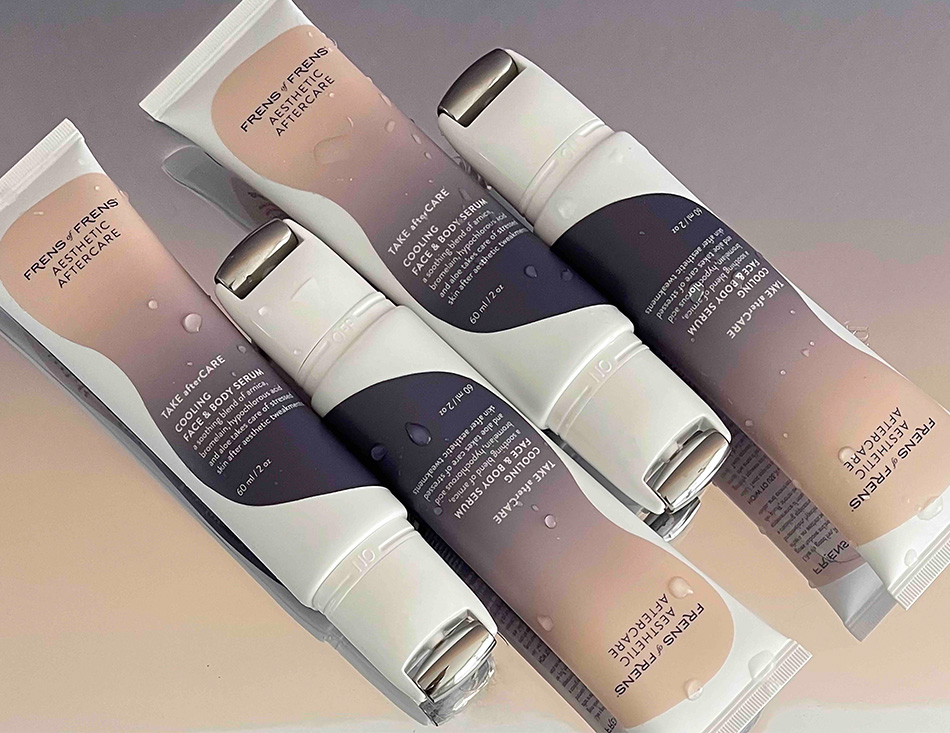
“I thought to myself, ‘If I need something better, other people do, too,’” says Trinh, an art director and graphic designer by trade. She set out to create something better and, in March, launched the brand with TAKE

(after)CARE, a $68 serum containing arnica, bromelain, hypochlorous acid and aloe intended to be applied 24 hours post-treatment.

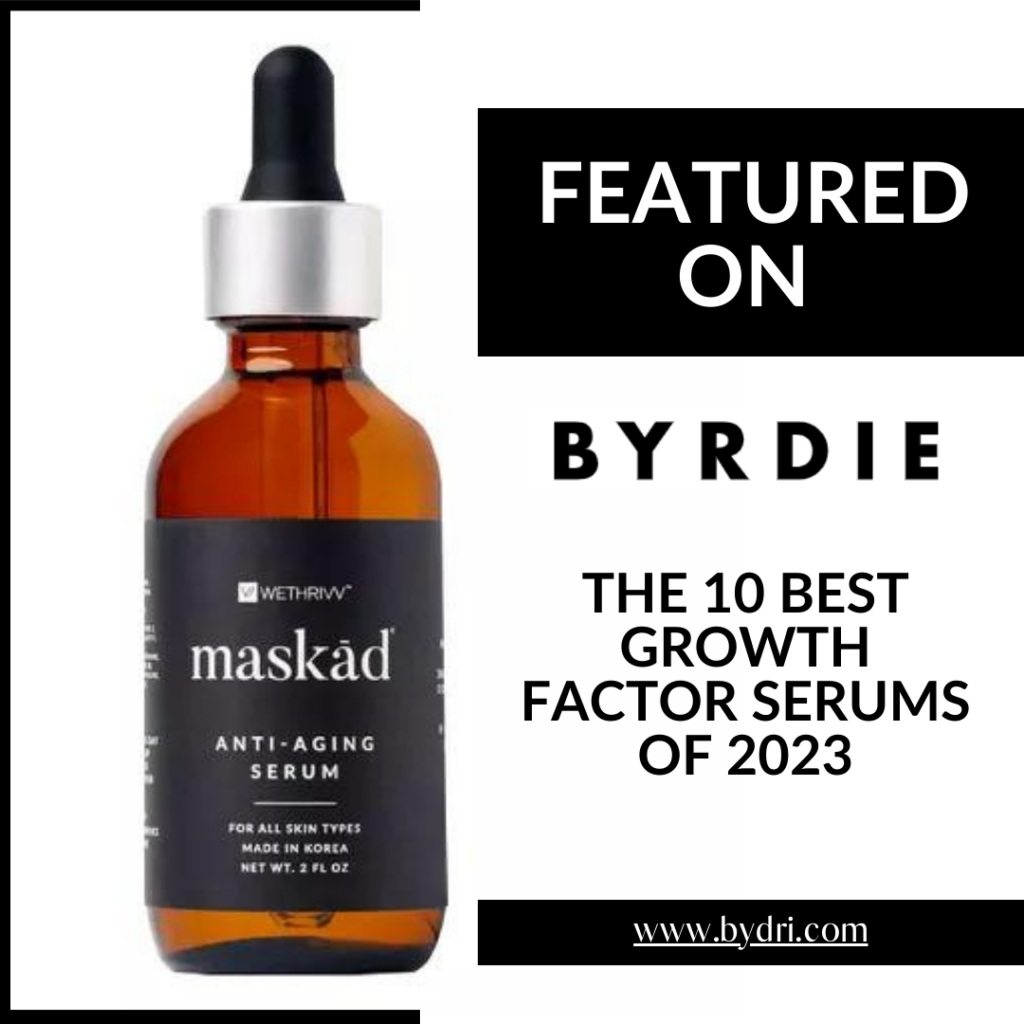
Featured on Byrdie

The 10 Best Growth Factor Serums of 2023
Growth factors are one of those often-buzzed about ingredients that are on the tip of everyone’s tongue—and on the packaging of many bottles—but still have some mystery surrounding them. What are they, exactly, and where do they come from? More importantly, what can they actually do for your skin? “Growth factors are naturally-occuring substances that regulate various cellular processes, including growth, proliferation, and differentiation. They are crucial for tissue development, wound healing, and maintaining the overall health and function of cells,” explains Robyn Gmyrek, MD, a board-certified dermatologist in New York City. (It also bears mentioning that they can be derived from either human cells or plants.) “When applied topically, growth factor serums may help support collagen production, improve skin elasticity, enhance the skin’s natural repair processes, and minimize the appearance of fine lines and wrinkles. They can also contribute to hydration and overall skin rejuvenation,” Gmyrek explains. Long story short, they’re a great anti-aging ingredient, targeting a variety of the things that can make us look older than we are. Their other big boon: Unlike other anti-aging ingredients (retinoids, we’re looking at you), growth factors are typically very well-tolerated and unlikely to cause irritation.