Top 10 Perfect Skin Care Routine Steps for All Skin Types

Top 10 Perfect Skin Care Routine Steps for All Skin Types

Having a perfect skin care routine is essential to maintain healthy and glowing skin. Regardless of your skin type, following the right steps can help you achieve the desired results. In this article, we will explore the top 10 perfect skin care routine steps that are suitable for all skin types. Whether you have dry, oily, combination, or sensitive skin, these skincare step will cater to all skin types and help you achieve the glowing skin you desire.

1. Determine Your Skin Type

Before you start your skin care step, it’s crucial to identify your skin type. There are four main skin types: oily, dry, combination, and normal. Understanding your skin type will help you select the right products and treatments that cater to your specific needs.

2. Cleansing – The First Step

Cleansing is a fundamental and indispensable skincare step in any skincare regimen. It effectively removes dirt, impurities, makeup, and excess oil from the skin’s surface, preventing clogged pores and breakouts. Proper cleansing also helps maintain the skin’s natural balance, promoting a clear and radiant complexion. By preparing the skin for subsequent products, like serums and moisturizers, cleansing ensures maximum absorption and overall effectiveness of the skincare routine.

3. Exfoliation – The Key to Radiant Skin

Exfoliation is necessary to remove dead skin cells and promote skin renewal. However, avoid over-exfoliating, as it can lead to irritation and sensitivity. Use a mild exfoliator once or twice a week and it is one of the basic night skin care step.

4. Toning – Restore Skin’s pH Balance

Toning is another basic skincare step in your daily routine. It helps balance the skin’s pH levels, removing traces of impurities and residual cleanser. Toning also tightens pores, reducing their appearance, and prepares the skin for better absorption of serums and moisturizers. Additionally, toners can provide hydration and deliver essential nutrients, promoting a healthier and more radiant complexion.

5. Applying Serum – Target Specific Concerns

Serums are packed with powerful ingredients that target specific skin concerns, such as hydration, brightening, or anti-aging. Select a serum that addresses your primary skin needs. You can also buy best hydrating serum from Maskad to improve your skin.

6. Nourishing with Moisturizer

Moisturizer is an essential skincare step due to its numerous benefits. It helps maintain the skin’s hydration levels, preventing dryness and flakiness. Proper moisturization promotes a smooth and supple complexion while creating a protective barrier against external aggressors like pollution and UV rays. Additionally, moisturizers can address specific concerns, such as anti-aging or acne-prone skin, ensuring overall skin health and a youthful glow.

7. Sun Protection – Your Skin’s Best Friend

Protecting your skin from harmful UV rays is essential. Always apply a broad-spectrum sunscreen with at least SPF 30, even on cloudy days.

8. Eye Cream – Banish Those Dark Circles

Using an eye cream alongside a moisturizer is crucial for comprehensive skincare. The delicate skin around the eyes is prone to wrinkles, puffiness, and dark circles. Eye creams are specially formulated to target these issues, reducing signs of aging and fatigue. They provide intense hydration, firmness, and nourishment, addressing specific concerns that regular moisturizers may not fully cater to, ensuring a vibrant and youthful eye area.

9. Hydrating Face Masks – Treat Your Skin

Hydrating face masks are an indispensable component of a well-rounded skincare routine. These masks deeply replenish the skin’s moisture levels, combating dryness and dullness. They are enriched with nourishing ingredients that soothe and revitalize the complexion, leaving it radiant and refreshed. Regular use of hydrating face masks promotes a plump, supple, and healthy-looking skin, making it a vital night skin care step.

10. Embrace a Healthy Lifestyle

The perfect skin care routine is not just about products; it’s also about leading a healthy lifestyle. Get enough sleep, stay hydrated, eat a balanced diet, and manage stress to support your skin’s health from within.

Conclusion

Achieving the perfect skin care routine for all skin types requires consistency, dedication, and the right products. By following the ten steps outlined in this article, you can work towards healthier, glowing skin that radiates beauty. Remember that individual results may vary, so be patient and stay committed to your skin care journey.

FAQs

1. How often should I exfoliate my skin?

Exfoliation should be done once or twice a week, depending on your skin’s sensitivity. Avoid over-exfoliating to prevent irritation.

2. Can oily skin skip moisturizing?

No, even oily skin needs moisturization. Look for lightweight, non-comedogenic moisturizers to avoid clogging pores.

3. Are face masks suitable for all skin types?

Yes, there are face masks available for all skin types. Choose masks with ingredients that match your skin’s needs.

4. Can I use the same eye cream for day and night?

While you can use the same eye cream, some products are formulated specifically for daytime or nighttime use.

5. How long does it take to see results from a skin care routine?

Results may vary from person to person, but with consistent use, you may start noticing improvements within a few weeks. Patience is key!

FEATURED ON PEOPLE EN ESPAÑOL

Featured on people en espanol

FEATURED ON PEOPLE EN ESPAÑOL

Nuestro equipo editorial ha seleccionado de forma independiente cada producto que presentamos y reseñamos. Si compra utilizando los enlaces incluidos, es posible que ganemos una comisión.
 

El 15 de julio es el Día Nacional de la Belleza Limpia, una tendencia que se está imponiendo en la industria porque los clientes buscan fórmulas limpias, respetuosas con su piel y el medioambiente. Aprovecha la fecha para descubrir nuevas marcas como estas.

Plant Apothecary

Top 10 Chia Seeds Benefits For Skin You Should Know

Chia Seed Benefits

Top 10 Chia Seeds Benefits For Skin You Should Know

Chia seeds have gained significant popularity in recent years due to their numerous health benefits. Not only are they rich in essential nutrients, but they also offer various advantages for the skin. In this article, we will explore the top 10 chia seeds benefits for skin, highlighting why you should incorporate them into your skincare routine.

Introduction

Chia seeds, scientifically known as Salvia hispanica, are small, nutrient-dense seeds that have been consumed for centuries. Originating from Central America, chia seeds have become a popular superfood due to their exceptional nutritional profile. They are packed with omega-3 fatty acids, fiber, protein, antioxidants, and minerals, making them an excellent addition to a healthy diet.

Beyond the internal chia seeds benefits, they also offer remarkable advantages for the skin. Let’s dive into the top 10 chia seeds benefits for skin for achieving healthier, glowing skin.

Moisturizing Properties of Chia Seeds

Chia seeds possess excellent moisturizing properties that can help combat dry and dehydrated skin. When applied topically, they form a gel-like barrier on the skin’s surface, sealing in moisture and preventing water loss. This hydrating effect helps to maintain skin suppleness and prevents dryness, leading to a more radiant complexion.

Anti-Aging Benefits

With their high content of antioxidants, chia seeds offer potent anti-aging benefits. Antioxidants help to neutralize harmful free radicals in the body, which can cause premature aging and damage to the skin. Regular consumption or application of chia seeds can help reduce the appearance of wrinkles, fine lines, and age spots, promoting a youthful and vibrant complexion. So, make sure to add this superfood to your grocery list to enjoy chia seeds benefits.

Skin Hydration

Hydration is crucial for maintaining healthy skin. Chia seeds have hydrophilic properties, which means they can absorb and retain moisture. When chia seeds come into contact with water, they can absorb up to ten times their weight. This unique ability to hold water helps to keep the skin adequately hydrated, preventing dryness and dullness. You can also try hydrating serum For face to improve overall skin texture

Antioxidant Power

Chia seeds are rich in antioxidants, including vitamins C and E, which play a vital role in protecting the skin from environmental damage. These antioxidants help to shield the skin from harmful UV rays, pollution, and other external stressors that contribute to skin aging and damage. Eating chia seeds daily can help promote a healthier complexion and reduce the risk of oxidative stress.

Reducing Inflammation and Irritation

Inflammation and irritation can lead to various skin concerns, such as acne, redness, and eczema. Chia seeds contain omega-3 fatty acids, which have anti-inflammatory properties. Incorporating chia seeds into your skincare routine can help calm and soothe inflamed skin, reducing redness and promoting a more balanced complexion.

Promoting Collagen Production

Collagen is a protein that provides structural support to the skin, keeping it firm and elastic. Chia seeds are a natural source of amino acids, the building blocks of collagen. By topically applying or eating chia seeds daily, you can support collagen production, which helps to maintain skin elasticity, reduce sagging, and improve overall skin texture.

Balancing Oil Production

If you struggle with oily skin or frequent breakouts, chia seeds can be beneficial. Despite being hydrating, chia seeds do not clog pores or contribute to excess oiliness. Instead, they help to balance the skin’s natural oil production, preventing the overproduction of sebum that can lead to acne and breakouts. Regular use of eating chia seeds can result in a more balanced and less shiny complexion.

Improving Skin Elasticity

Loss of skin elasticity is a common sign of aging. Chia seeds contain essential nutrients, such as zinc, copper, and vitamin B3, which are essential for maintaining skin elasticity. These nutrients aid in the production of elastin, a protein that gives skin its flexibility and resilience. By incorporating chia seeds into your skincare routine, you can improve skin elasticity and achieve a more youthful appearance.

Minimizing Acne and Blemishes

Acne and blemishes can be a frustrating skin concern for many individuals. Chia seeds possess antibacterial properties that help to combat acne-causing bacteria. Additionally, their anti-inflammatory nature helps to reduce redness and swelling associated with breakouts. Regular use of chia seeds can help minimize acne and promote a clearer complexion.

Conclusion

Chia seeds offer a myriad of benefits for the skin, making them a valuable addition to your skincare regimen. From their moisturizing and anti-aging properties to their ability to balance oil production and improve skin elasticity, chia seeds can help you achieve healthier, more radiant skin. Consider incorporating chia seeds into your diet and skincare routine to reap these incredible benefits.

FAQs

1. Can chia seeds be used on all skin types?

Yes, chia seeds benefit all skin types. They are non-comedogenic and unlikely to cause any adverse reactions. However, it’s always recommended to perform a patch test before applying chia seed-based products extensively.

2. How often should I use chia seeds for skincare?

You can use chia seeds for skincare daily. Incorporate them into your diet by adding them to smoothies or yogurt, or create homemade skincare recipes using chia seed oil or powder.

3. Can chia seeds replace a moisturizer?

While chia seeds provide hydration, they may not be sufficient as a standalone moisturizer. It’s best to use them in conjunction with a moisturizer suitable for your skin type.

4. Are there any side effects of using chia seeds topically?

Chia seeds are generally safe to use topically. However, if you experience any irritation or allergic reactions, discontinue use and consult a dermatologist.

5. Can chia seeds completely eliminate wrinkles?

Chia seeds can help reduce the appearance of wrinkles and fine lines, but they may not eliminate them entirely. Consistent use, along with a healthy lifestyle, can contribute to smoother and more youthful-looking skin.

In conclusion, chia seeds offer remarkable benefits for the skin. From moisturizing and anti-aging properties to promoting collagen production and reducing acne, these tiny seeds can make a significant difference in your skincare routine. Embrace the power of chia seeds and enjoy the healthy, glowing skin you deserve.

FEATURED ON BEAUTY INDEPENDENT

FEATURED ON BEAUTY INDEPENDENT

FEATURED ON BEAUTY INDEPENDENT

A New Group Of Post-Injection Care Brands Is Looking To Improve The Experience Of Getting Botox And Fillers

Two years after Kylie Jenner got lip fillers in 2015, Nancy Trinh decided she’d replicate the beauty mogul and reality television star’s fuller lip look. She chose a fancy Beverly Hills plastic surgeon’s office she spotted on Yelp for the injections.

“I didn’t think to do any research or understand the risks involved,” she recalls. “After the procedure was finished, I was sent home with a leaky ice pack without aftercare instructions. On the drive home, I’m driving with one hand and the ice bag falls down next to my gas pedal. Obviously, I’m not putting that back onto my lips. The next day my bruises and swelling were insane and scared me.”

Frantic, Trinh searched online for remedies. Ice, arnica gel and bromelain supplements kept coming up. She was disappointed by them all. Arnica gel she purchased at a drugstore was full of alcohol that stung her skin. Supplements wouldn’t deliver immediate support. Ice wasn’t sufficient, and it was pretty slippery.

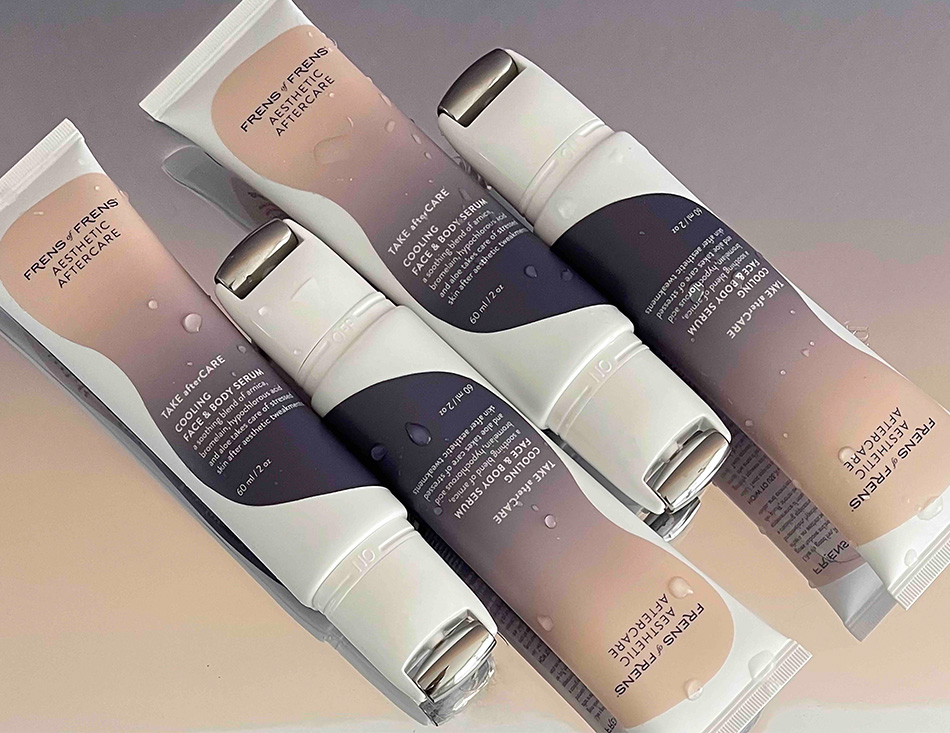
“I thought to myself, ‘If I need something better, other people do, too,’” says Trinh, an art director and graphic designer by trade. She set out to create something better and, in March, launched the brand with TAKE

(after)CARE, a $68 serum containing arnica, bromelain, hypochlorous acid and aloe intended to be applied 24 hours post-treatment.

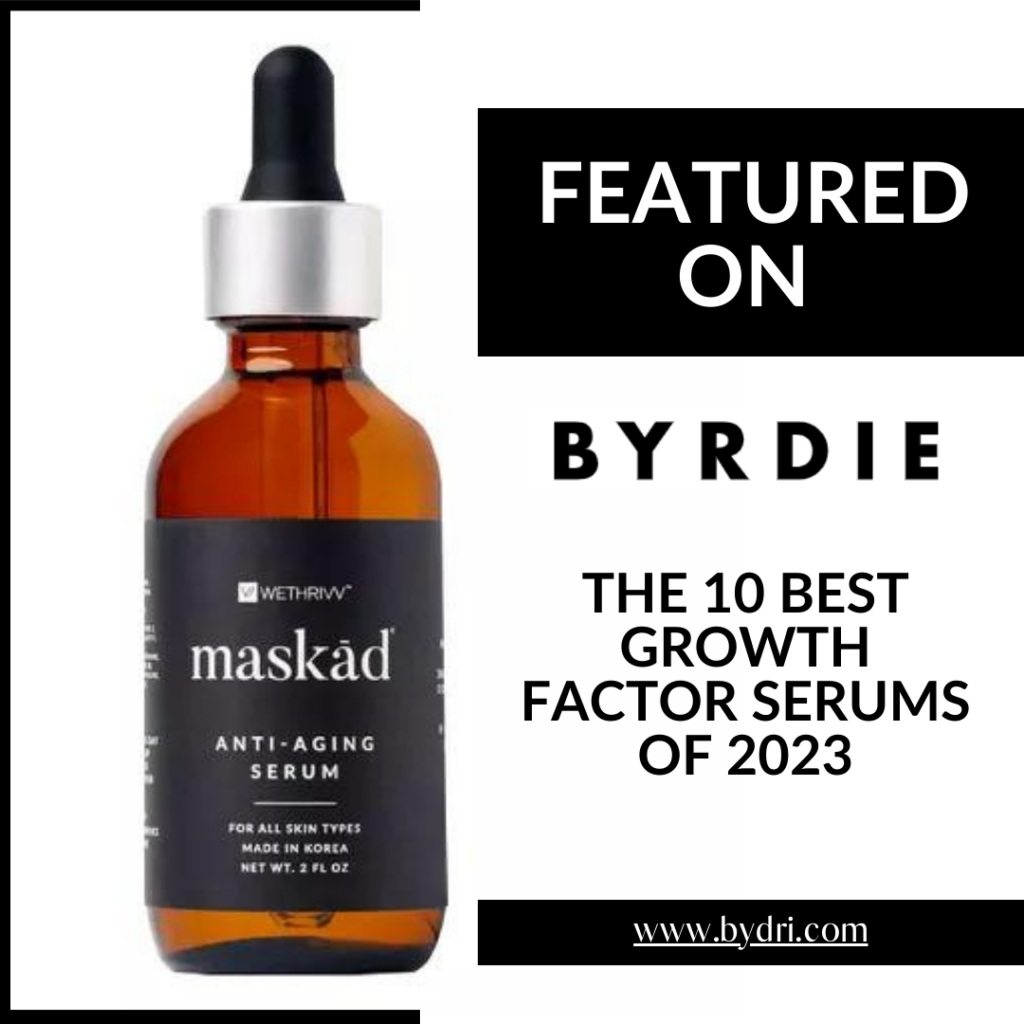
Featured on Byrdie

The 10 Best Growth Factor Serums of 2023
Growth factors are one of those often-buzzed about ingredients that are on the tip of everyone’s tongue—and on the packaging of many bottles—but still have some mystery surrounding them. What are they, exactly, and where do they come from? More importantly, what can they actually do for your skin? “Growth factors are naturally-occuring substances that regulate various cellular processes, including growth, proliferation, and differentiation. They are crucial for tissue development, wound healing, and maintaining the overall health and function of cells,” explains Robyn Gmyrek, MD, a board-certified dermatologist in New York City. (It also bears mentioning that they can be derived from either human cells or plants.) “When applied topically, growth factor serums may help support collagen production, improve skin elasticity, enhance the skin’s natural repair processes, and minimize the appearance of fine lines and wrinkles. They can also contribute to hydration and overall skin rejuvenation,” Gmyrek explains. Long story short, they’re a great anti-aging ingredient, targeting a variety of the things that can make us look older than we are. Their other big boon: Unlike other anti-aging ingredients (retinoids, we’re looking at you), growth factors are typically very well-tolerated and unlikely to cause irritation.

How to Choose the Best Hydrating Serum for Sensitive Skin

How to Choose the Best Hydrating Serum for Sensitive Skin

Hydrating serum for sensitive skin

Sensitive skin requires special care and attention when it comes to skincare products. Finding the best hydrating serum for sensitive skin can be a daunting task, as there are countless options available in the market. This article aims to guide you through the process of selecting the perfect hydrating serum for your sensitive skin. With the right knowledge and understanding of your skin’s needs, you can make an informed decision and achieve a healthy, hydrated complexion.

Why Hydrating Serums Matter for Sensitive Skin

Before diving into the details of choosing the best hydrating serum, let’s understand why it is essential for sensitive skin. Sensitive skin tends to react more easily to environmental factors, allergens, and harsh ingredients found in skincare products. This can lead to irritation, redness, and dryness. Hydrating serums provide intense moisture, soothing ingredients, and a protective barrier to help calm and nourish sensitive skin. By incorporating a hydrating serum into your skincare routine, you can promote a healthier, more resilient complexion.

Factors to Consider When Choosing a Hydrating Serum

When selecting a hydrating serum for sensitive skin, it’s crucial to consider several factors. By taking these aspects into account, you can find a serum that addresses your specific skin concerns while minimizing the risk of irritation and adverse reactions. Let’s explore these factors in detail:

1. Skin Type Compatibility

Sensitive skin can be oily, dry, or a combination of both. It’s important to choose a hydrating serum that is specifically formulated for your skin type. For oily or acne-prone sensitive skin, look for lightweight serums with non-comedogenic ingredients that won’t clog pores. Dry or dehydrated sensitive skin will benefit from richer, more emollient serums that provide long-lasting hydration.

2. Ingredient Sensitivities

Sensitive skin can react negatively to certain ingredients commonly found in skincare products. It’s essential to identify any specific sensitivities you have and avoid those ingredients in your hydrating serum. Some common irritants include fragrances, alcohol, sulfates, and certain preservatives. Opt for serums with gentle, hypoallergenic formulations that are free from potential triggers.

3. Hydration Power

The primary purpose of a hydrating serum is to provide deep hydration to the skin. Look for serums that contain hydrating ingredients such as hyaluronic acid, glycerin, ceramides, and natural oils. These ingredients help to replenish the skin’s moisture barrier and lock in hydration, promoting a supple and plump complexion.

4. Soothing and Calming Properties

Sensitive skin requires extra care to soothe and calm any inflammation or redness. Choose a hydrating serum that includes ingredients known for their soothing properties, such as aloe vera, chamomile, green tea extract, or oat extract. These ingredients can help reduce skin sensitivity and promote a more balanced complexion.

5. Antioxidant Protection

Environmental stressors, such as pollution and UV rays, can exacerbate sensitivity in the skin. Look for hydrating serums that contain antioxidants like vitamin C, vitamin E, or niacinamide. These ingredients provide protection against free radicals, which can cause oxidative damage and contribute to skin sensitivity.

6. Brand Reputation and Reviews

Researching the brand and reading reviews can provide valuable insights into the effectiveness and reliability of a hydrating serum. Look for reputable brands that prioritize skincare research and development. Pay attention to reviews from individuals with sensitive skin to gauge the serum’s compatibility and efficacy.

7. Price and Value

Budget considerations are important when choosing skincare products. Determine your budget and look for hydrating serums that offer good value for money. Remember that quality skincare products may come with a higher price tag, but investing in your skin’s health is worthwhile.

8. Packaging

While packaging may not directly affect the performance of the serum, it can impact its stability and shelf life. Look for serums that are packaged in opaque, airtight containers to prevent oxidation and degradation of active ingredients. Pump or dropper dispensers are ideal for maintaining product freshness and minimizing the risk of contamination.

9. Allergen Testing

If you have a history of severe allergies or are unsure about your skin’s reactions, consider doing an allergen patch test before introducing a new hydrating serum. Apply a small amount of the serum to a discreet area of your skin and observe for any adverse reactions over 24-48 hours. This can help you avoid potential allergic responses.

10. Professional Recommendations

When in doubt, consult a dermatologist or skincare professional who can provide personalized advice based on your skin’s unique needs and concerns. They can recommend specific hydrating serums suitable for sensitive skin and guide you in building an effective skincare routine.

FAQs about Choosing the Best Hydrating Serum for Sensitive Skin

Q1: How often should I use a hydrating serum for sensitive skin?

A1: It is recommended to use a hydrating serum for sensitive skin twice a day, in the morning and evening, after cleansing and toning your skin.

Q2: Can I use a hydrating serum under makeup?

A2: Yes, you can use a hydrating serum under your makeup. Allow the serum to absorb fully into the skin before applying any makeup products.

Q3: Should I layer a moisturizer over the hydrating serum?

A3: Yes, for optimal hydration, it’s beneficial to follow up with a moisturizer after applying the hydrating serum. The moisturizer will help seal in the serum and provide additional nourishment to the skin.

Q4: Can I use a hydrating serum if I have oily skin?

A4: Absolutely! Hydrating serums can benefit all skin types, including oily skin. Look for lightweight, oil-free formulations that won’t clog pores.

Q5: Can I use multiple serums in my skincare routine?

A5: It’s possible to incorporate multiple serums into your skincare routine, but be mindful of potential interactions and avoid overwhelming your skin. Start with one hydrating serum and assess its effectiveness before introducing additional products.

Q6: How long does it take to see results from a hydrating serum?

A6: The timeframe for visible results can vary depending on individual factors and the specific serum you’re using. However, with consistent use, you may start noticing improvements in hydration and overall skin health within a few weeks.

Conclusion

Choosing the best hydrating serum for sensitive skin requires careful consideration of your skin’s specific needs and preferences. By considering factors such as skin type compatibility, ingredient sensitivities, hydration power, soothing properties, antioxidant protection, brand reputation, and value for money, you can make an informed decision. Don’t forget to consult professional recommendations and conduct patch tests if needed. With the right hydrating serum, you can provide your sensitive skin with the nourishment and hydration it craves, leading to a healthier, more radiant complexion.

The Importance of Hydrating Serums for Dry Skin: A Guide to Finding Your Perfect Match

The Importance of Hydrating Serums for Dry Skin: A Guide to Finding Your Perfect Match

Dry skin can be frustrating and uncomfortable, especially if it’s a chronic condition. But before you go searching for a heavy moisturizer or oil to help alleviate your discomfort, consider adding a hydrating serum to your skincare routine. In this guide, we’ll explain why hydrating serums are essential for dry skin, and how to find the perfect one for your specific skin needs.

What is a Hydrating Serum?

Hydrating serums are lightweight, water-based products packed with active ingredients designed to provide your skin with deep hydration. Unlike heavy creams or lotions, they can penetrate into the skin quickly, delivering moisture where it’s needed most. Hydrating serums can range from simple formulas containing one or two hydrating ingredients to more complex blends with a variety of active ingredients such as hyaluronic acid, glycerin, and ceramides.

Why are Hydrating Serums Important for Dry Skin?

Dry skin can be caused by a variety of factors, including genetics, environmental factors, and lifestyle habits. Regardless of the cause, it’s important to address dryness in the skin because if left untreated, it can lead to uncomfortable symptoms such as itching, flaking, and redness. Dry skin also makes the skin more prone to fine lines and wrinkles, which can make you look older than you are.

Hydrating serums can help alleviate dryness in the skin by providing it with the moisture it needs to function properly. By supporting the skin barrier, hydrating serums can help your skin retain moisture, preventing water loss and ensuring that your skin stays soft, supple, and moisturized throughout the day.

How to Choose a Hydrating Serum for Your Skin

Choosing the right hydrating serum for your specific skin needs can be a bit daunting, but it’s important to find the right one for your skin type and concerns. Here are some key factors to consider when selecting a hydrating serum for dry skin:

Ingredients: As previously mentioned, hydrating serums can contain a wide variety of active ingredients. Look for ingredients like hyaluronic acid, glycerin, or ceramides, as they are known to be incredibly hydrating for the skin. Avoid serums containing alcohol or fragrances, which can dry out the skin further.

Texture: Hydrating serums come in different textures, from light and watery to thicker, more viscous formulas. Choose a texture that feels comfortable on your skin and is easy to layer with other products.

Concerns: If you have other skin concerns, such as dullness, fine lines, or uneven skin tone, look for hydrating serums that also contain active ingredients to address those concerns.

Brand and Price: There are many hydrating serums on the market at different price points. While it can be tempting to go for the cheapest option, it’s important to choose a reputable brand and product to ensure that you’re getting a quality product that is safe and effective for your skin.

How to Incorporate a Hydrating Serum into Your Routine

Hydrating serums are incredibly versatile and can be used in a variety of ways to suit your skincare routine kit. Here are some tips for incorporating a hydrating serum into your routine:

Prep: Cleanse your skin thoroughly before applying the serum to ensure that it can penetrate effectively.

Layer: Apply the hydrating serum after cleansing and toning, but before any heavier creams or oils. This allows the serum to penetrate effectively into the skin, delivering moisturizing ingredients deep into the pores.

Frequency: Depending on your personal preference and skin type, you can use a hydrating serum once or twice a day.

Other Options: You can also mix a drop of hydrating serum into your favorite moisturizer or foundation for an added boost of hydration.

Conclusion

Dry skin can be a frustrating and uncomfortable condition to deal with, but incorporating a hydrating serum into your routine can help alleviate symptoms and improve the overall health of your skin. Whether you’re looking for a simple hydrating boost or seeking a solution for more complex skin concerns, there’s a hydrating serum out there that can help you achieve the healthy, glowing skin you deserve. Remember to always choose a serum that’s tailored to your skin type and preferences, and to incorporate it into your routine strategically for optimal results.

Anti-Aging Serums for Mature Skin: What to Look For and What to Avoid

Anti-Aging Serums for Mature Skin: What to Look For and What to Avoid

As we age, our skin starts to slow down the production of essential molecules like elastin and collagen, which results in the formation of fine lines, wrinkles, and other age-related concerns. However, using anti-aging serums for mature skin can help combat these issues and provide essential nutrients to your skin to keep it healthy and younger-looking for longer. In this article, we will discuss what to look for in anti-aging serums for mature skin and what to avoid.

What to Look For

  1. Retinoids – Retinoids are a group of vitamin A derivatives that stimulate collagen and elastin production, improve skin texture and tone, and reduce the appearance of fine lines and wrinkles.
  2. Hyaluronic Acid – This is a humectant that draws moisture from the environment and locks it into the skin, keeping it supple and hydrated.
  3. Vitamin C – Vitamin C is a potent antioxidant that protects the skin from UV rays, prevents free radical damage, brightens the complexion, and boosts collagen production.
  4. Niacinamide – Niacinamide is also known as Vitamin B3 and is a water-soluble vitamin. It strengthens the skin’s barrier, improves skin tone, and reduces the appearance of fine lines and wrinkles.
  5. Peptides – Peptides are chains of amino acids that stimulate collagen production, improve skin texture and tone, and reduce the appearance of fine lines and wrinkles.
  6. Antioxidants – Antioxidants like Vitamin C, green tea extract, and ferulic acid protect the skin from oxidative stress and prevent signs of aging.

What to Avoid

  1. Alcohol – Avoid serums that contain high levels of alcohol, as it can dry out the skin and exacerbate the signs of aging.
  2. Fragrance – Fragrances can be irritating and can trigger allergic reactions, causing inflammation, and ultimately making the signs of aging worse.
  3. Harsh Chemicals – Stay away from harsh chemicals, like sulfates, that can strip the skin of its natural oils and cause dryness and irritation.
  4. Mineral Oil – Mineral oil clogs pores and does not allow the skin to breathe, leading to the formation of blackheads and other skin problems.
  5. Parabens – Parabens are preservatives that can disrupt the endocrine system, leading to hormonal imbalances and unwanted side effects.

Benefits

  1. Reducing the Appearance of Fine Lines and Wrinkles – Anti-aging serums for mature skin contain powerful ingredients like retinoids and peptides that stimulate collagen production and reduce the appearance of fine lines and wrinkles.
  2. Hydrating the Skin – Serums with hyaluronic acid lock moisture into the skin, keeping it hydrated and plump.
  3. Improving Skin Texture and Tone – Serums containing niacinamide, Vitamin C, and green tea extract can improve skin texture and tone, brightening and rejuvenating the complexion.
  4. Protecting the Skin – Serums containing antioxidants like Vitamin C and ferulic acid can protect the skin from UV rays and environmental pollutants, preventing premature aging.
  5. Boosting Collagen Production – Using a serum with collagen stimulating ingredients like retinoids and peptides can help to boost collagen production, which in turn, helps to increase skin elasticity.

Conclusion

When it comes to the best serum for aging skin for mature skin, it’s essential to choose a serum that contains the right ingredients and avoids harsh chemicals that can have adverse effects. Look for ingredients like retinoids, hyaluronic acid, Vitamin C, and peptides, which are known for their anti-aging properties. Conversely, avoid ingredients like alcohol and mineral oil, as they can cause skin dryness and block pores. Ultimately, using the right serum can be an effective way to prevent premature aging, reduce the appearance of fine lines and wrinkles, and keep your skin healthy and hydrated.

The Benefits of Using Anti-Wrinkle Face Packs: How They Can Improve Your Skincare Routine

Hydrating serum for sensitive skin

The Benefits of Using Anti-Wrinkle Face Packs: How They Can Improve Your Skincare Routine

Hydrating serum for sensitive skin

As we age, wrinkles become an inevitable part of our lives. Fine lines and wrinkles can be caused by a variety of factors, including genetics, smoking, sun exposure, and a lack of proper skincare. Fortunately, there are plenty of anti-wrinkle face packs that can help improve the appearance and texture of our skin. In this guide, we’ll look at the benefits of using anti-wrinkle face packs and how they can improve your skincare routine.

What are Anti-Wrinkle Face Packs?

Anti-wrinkle face packs are topical products designed to help reduce the appearance of fine lines and wrinkles by targeting the signs of aging that contribute to their formation. These packs are made with a variety of active ingredients, including antioxidants, vitamins, and minerals that help promote collagen production and improve overall skin health.

The Benefits of Using Anti-Wrinkle Face Packs

1. Promote Collagen Production

Collagen is a vital protein that helps keep the skin looking firm, tight, and youthful. As we age, our collagen production slows down, leading to the formation of fine lines and wrinkles. Anti-wrinkle face packs can help promote collagen production, giving your skin the extra boost it needs to maintain its youthful appearance.

2. Hydrate and Moisturize the Skin

Keeping the skin hydrated and moisturized is essential for maintaining its health and preventing the formation of fine lines and wrinkles. Many anti-wrinkle face packs contain hydrating ingredients such as hyaluronic acid or glycerin, which help draw moisture into the skin, leaving it feeling soft and supple.

3. Exfoliate Dead Skin Cells

Exfoliating is an essential part of any skincare routine, as it helps remove dead skin cells that can clog pores and contribute to the formation of fine lines and wrinkles. Anti-wrinkle face packs often contain gentle exfoliants such as alpha-hydroxy acids that help promote cell turnover and reveal fresh, radiant skin.

4. Protect Against Environmental Stressors

Environmental stressors such as pollution and UV rays can contribute to the formation of fine lines and wrinkles. Anti-wrinkle face packs often contain antioxidants such as vitamin C or green tea, which help protect the skin against these harmful elements, preventing premature aging and damage.

5. Improve Skin Texture and Tone

Anti-wrinkle face packs can improve the overall texture and tone of the skin, leaving it looking smoother, more even, and radiant. This is because many of these face packs contain active ingredients that help improve skin elasticity, boost collagen production, and promote cell turnover.

How to Choose the Right Anti-Wrinkle Face Pack for Your Skin

With so many different anti-wrinkle face packs on the market, it can be challenging to know which one is right for your skin. Here are some tips to help you choose the best anti-wrinkle face pack for your skin type and concerns:

1. Look for Active Ingredients

When shopping for an anti-wrinkle face pack, look for active ingredients that are known to be effective at reducing the appearance of fine lines and wrinkles. These can include retinol, vitamin C, hyaluronic acid, and alpha-hydroxy acids.

2. Consider Your Skin Type

Different anti-wrinkle face packs are designed for different skin types. If you have sensitive skin, look for a gentle, fragrance-free formula. If you have oily skin, you may want to look for a lighter, gel-based formula.

3. Check Reviews

Before making a purchase, check reviews from other customers to see how effective the product has been for others with similar skin types and concerns. This can provide valuable insight into whether a particular anti-wrinkle face pack is a good fit for your needs.

How to Use Anti-Wrinkle Face Packs in Your Skincare Routine

When using an anti-wrinkle face pack, follow these steps for optimal results:

  1. Cleanse your skin thoroughly and pat dry.
  2. Apply the face pack to your skin, avoiding the eye area.
  3. Leave the face pack on for the recommended amount of time, typically 10-15 minutes.
  4. Rinse off the face pack with lukewarm water.
  5. Follow up with a hydrating serum, eye cream, and moisturizer.

Conclusion

Anti-wrinkle face packs are an excellent addition to any skincare routine, helping to reduce the appearance of fine lines and wrinkles while improving overall skin health. By promoting collagen production, hydrating and moisturizing the skin, exfoliating dead skin cells, protecting against environmental stressors, and improving skin texture and tone, anti-wrinkle face packs can help you achieve smoother, more youthful-looking skin. When choosing an anti-wrinkle face pack, be sure to consider your skin type and concerns, and look for products that contain active ingredients proven to be effective at reducing the signs of aging skin.

How to Use Anti Wrinkle Serum: Tips and Tricks for Best Results

Anti Wrinkle Serum

How to Use Anti Wrinkle Serum: Tips and Tricks for Best Results

Anti Wrinkle Serum
Anti-wrinkle serum can be a great way to help keep your skin looking youthful and smooth. Given the number of different serums available on the market, though, it can be tricky to know how best to use them. In this article, we’ll take a look at some essential tips and tricks that will help you get the most out of your Best Serum For Wrinkles On Face.

1. Choose the Right Serum

The first step in using anti-wrinkle serum is choosing the right one for your skin type and concerns. Look for a product that contains active ingredients like hyaluronic acid or retinol – both of which have proven anti-aging benefits. You should also make sure that you choose a product that’s suitable for your skin type – if you’re not sure then it’s best to speak to a dermatologist or skin care specialist who will be able to advise you on the most suitable options.

2. Read the Directions Carefully

It’s important to read all the directions on any skincare products that you use carefully before applying them to your face. This is especially true with anti-wrinkle serums as they often contain active ingredients which require special attention when being applied. Make sure that you read all the instructions carefully before starting so that you don’t end up causing any unwanted side effects or wasting any product.

3. Cleanse First

Before applying anti-wrinkle serum, make sure that you cleanse your face thoroughly beforehand. This will ensure that any dirt, oil, or makeup is removed from your skin, allowing for better absorption of the serum into your pores.

4. Apply in Layers

Applying an anti-wrinkle serum correctly isn’t just about using enough of it – it’s also about using multiple layers in order to achieve optimal results. Start by applying a pea-sized amount onto freshly cleansed skin and gently massage it in circular motions until it has been fully absorbed into your face. Once this has been done, apply another layer of serum (again in circular motions) and repeat until all layers have been used up .

5. Avoid Aggressive Massage

It’s also important to avoid massaging too aggressively when applying an anti-wrinkle serum as this could cause irritation and dryness of the skin over time. Instead, simply pat in each layer until all has been absorbed into your face –a gentle massage is usually more than enough!

6. Be Consistent

Finally, consistent use of an anti-wrinkle serum is key when it comes to achieving success with these products! Aim for twice daily applications (morning and night) for best results – this way you’ll start seeing improvements within weeks!